
Riverdale, GA · Garage Door Service
Garage Door Maintenance for Lake City Homes
Lake City runs about 980 households and a housing stock a few years older than the rest of the service area. Here's what that means for door and spring upkeep.
- Repairs & new doors
- Springs & openers
- Serving 7 nearby communities
The DIY Question
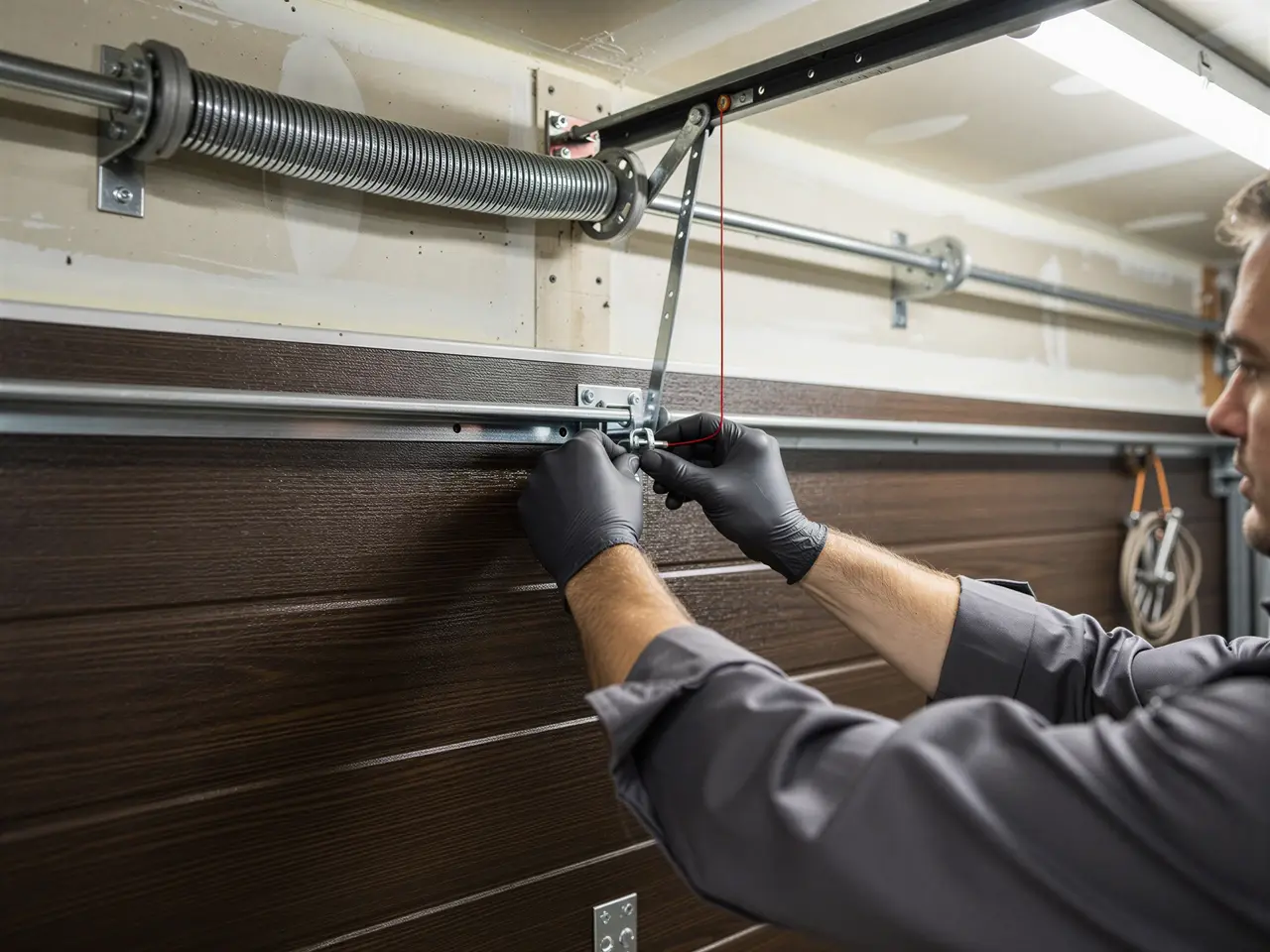
Lake City is a small town as these things go - about 980 households, nowhere near the size of some of the bigger suburbs we cover out of Riverdale. That size matters for maintenance because it means fewer houses, but a tighter cluster of the same build era, so the same handful of faults show up again and again instead of a wide spread of different problems. A homeowner can handle the basic stuff: wiping down tracks, checking that the door reverses when it hits something, tightening loose bolts on the brackets. What you shouldn't touch is anything on the spring side - torsion or extension, doesn't matter. Those are wound under enough tension to break a hand or worse, and on a 1971-era door the spring and the drum it's wound on are often original or close to it. If you're not sure which kind of spring your door has, that's already your answer: call someone who does this for a living.
What the Repair Takes
Most of Lake City's housing went up around 1971, a few years ahead of the median for the areas we serve out of Riverdale (1978). That gap sounds small, but it means a higher share of Lake City doors are carrying original or second-generation hardware - steel sectional doors on galvanized track, torsion springs sized for a door weight that's heavier than what gets installed today. A tune-up on a house like this usually runs longer than on a newer build: more time spent freeing up a track that's never been lubricated, more time checking whether a roller is actually still round or just looks round from three feet away. We budget for that rather than rush it.
Parts We Carry
We carry rollers, cables, hinges, and standard torsion springs sized for the common residential door weights on the truck, because those are the parts that fail most often on a housing stock from this era. What we don't always have on hand is a spring wound to an odd specification for a non-standard door width, or a part for an opener model that stopped being made years ago - those can mean a short wait on order. We'll tell you up front if that's the case rather than make you guess why the job is taking longer than the last one.
The Symptom
The complaint we hear most from this stretch of the county is a door that's gotten noticeably heavier to lift by hand, or an opener that strains and groans before it gets the door moving. On a house built around 1971, that's almost always spring fatigue - the spring has lost tension over the decades and the opener is compensating, which wears the opener down faster than it should. A close second is a door that drifts or doesn't sit flush at the bottom, which on older track systems usually traces back to a bent track rail rather than the door panel itself.
Why This Fails Locally
This area sits in a cold-moderate climate band, which means springs and cables go through real expansion and contraction across the year rather than staying in one tight temperature range. On a door this old, that cycling has had decades to work on metal that was already near the end of its rated life. Add in a median household income here of $57,300 - lower than the $67,872 median across the wider service area - and we see more doors running a few years past when a spring really should have been swapped, because the owner put it off. That's not a criticism; it's just the pattern we see when we're out this way, and it's part of why we check spring wind and cable wear on every maintenance visit rather than just the obvious moving parts.
Getting It Booked In
We come out to Lake City from Riverdale, about 5 miles up the road, so there's no local branch to call - just the one number and a truck that makes this run regularly. Bring up your door's age if you know it; on a 1971-built house it tells us a lot about what to check first before we even open the garage. If you want more on what maintenance covers generally, that's on our Riverdale page; this one's specifically about what we find on doors in Lake City.
Frequently asked questions
How often should a garage door in Lake City get serviced?
We don't have a blanket interval figure to quote, but doors on 1971-era hardware tend to need a look sooner than newer installs because the springs and track have had more years of cold-moderate climate cycling on them. If your door feels heavier to lift than it used to, that's the signal, not the calendar.
Why does my opener strain more than my neighbor's newer door?
Age of the spring, mostly. An opener motor isn't built to carry a door that a worn spring is no longer balancing properly. On a house from this era that's the most common cause we find, and it's a spring fix, not an opener problem, even though the opener is what's making the noise.
Do you keep a branch in Lake City?
No. We run out of Riverdale, about 5 miles away, and come out for maintenance and repair calls in Lake City on that basis. There's no local depot to call separately.
Will you always have the part for an older spring in stock?
Standard torsion and extension springs for common door weights, yes. A non-standard size or an opener part for a discontinued model can mean a short order wait, and we'll say so upfront rather than guess.
More garage door services in Lake City
Book garage door service in Riverdale
Call now or request a quote - tell us what the door is doing and where you are.